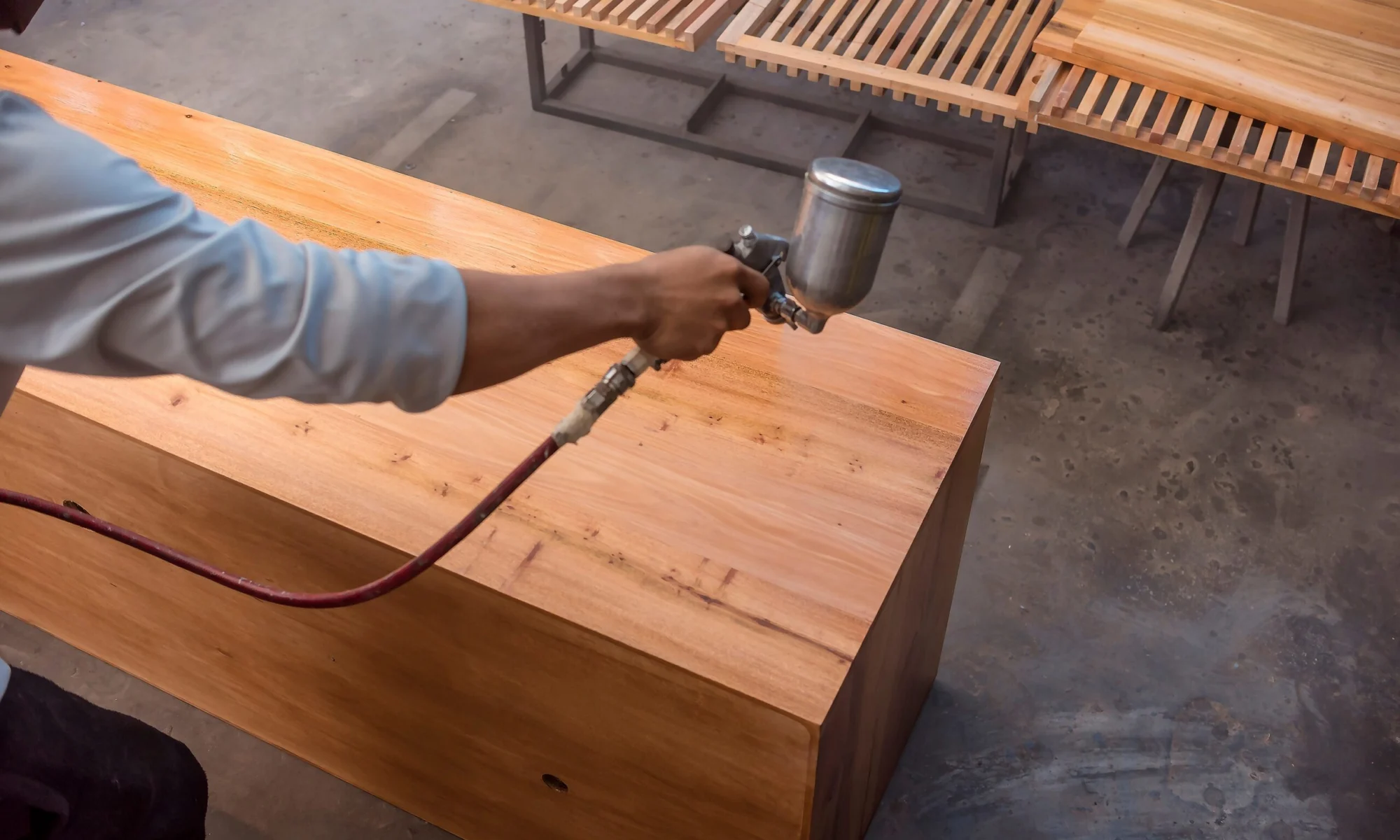
Before finding Bucks County painters and comparing methods, it’s helpful to define the goal. A factory finish is characterized by its perfectly uniform and smooth surface, completely free of brush strokes, drips, or uneven texture. It has a consistent sheen and a hard, durable surface that resists chipping and wear, much like cabinets that arrive brand new from a manufacturer.
At Proper Painting, we believe achieving this level of quality is less about the paint itself and more about a meticulous, multi-step process. The preparation of the surfaces and the application technique are what truly separate an amateur job from a professional, long-lasting finish. This commitment to process is a core part of any quality house painting project.
The Case for Traditional Brushing and Rolling
The classic method of applying paint with a brush and high-density foam roller is a time-honored technique. It requires skill, patience, and a deep understanding of how paint behaves to minimize imperfections and achieve a respectable result.
Pros of Brushing Cabinets
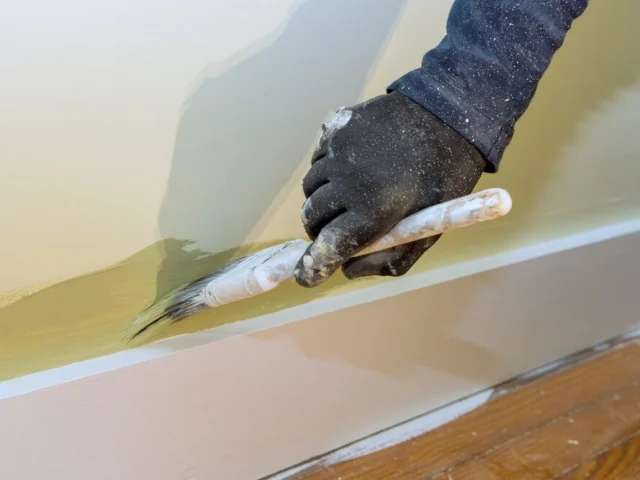
For certain projects at Proper Painting, a manual approach has its advantages. There is significantly less mess from overspray, which means less time is spent masking off every single surface in your kitchen. This method can also be more controlled for detailed or intricate cabinet profiles.
- Minimal Overspray: Brushing and rolling contain the paint to the cabinet surface, protecting your appliances, floors, and countertops without extensive plastic sheeting.
- Lower Equipment Barrier: While professional-grade brushes and rollers are essential, the tooling is less complex and costly than high-end spray equipment.
- On-Site Convenience: The entire process can often be completed in the kitchen without the need to transport doors and drawers to a separate spray booth.
Cons of Brushing Cabinets
The primary drawback of this method is the near impossibility of eliminating all brush or roller marks. Even with paint extenders that improve flow and leveling, some texture will remain. This process is also considerably more time-consuming, as each coat must be applied with painstaking care.
The Modern Approach: Professional Spray Finishing
For a true factory finish, professional painters almost exclusively use spray application. Using High-Volume, Low-Pressure (HVLP) spray systems, thin and even coats of specialized cabinet paint are applied in a controlled environment for a flawless result.
Pros of Spraying Cabinets
Interior painters in Doylestown believe spraying is the gold standard for cabinet refinishing for one simple reason: the quality of the finish is unmatched. The atomized paint particles land on the surface and coalesce into a smooth film, creating a perfectly smooth, durable coating that looks and feels new.
- Flawless, Smooth Surface: This is the only method that produces a truly glass-smooth finish with no brush marks or roller stipple.
- Superior Durability: Thin, uniform coats cure harder and more evenly than thicker, brushed-on coats, leading to a more resilient finish.
- Efficiency in Application: Once the extensive prep work is complete, the actual time spent applying paint is much faster than brushing.
Cons of Spraying Cabinets
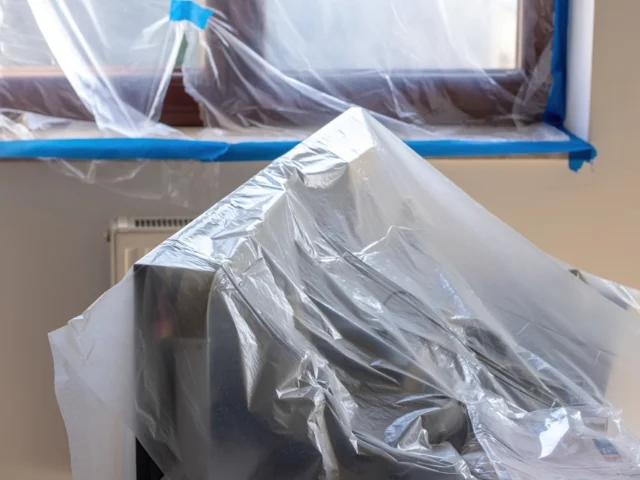
The perfection of a sprayed finish comes at the cost of intense preparation. The kitchen must be completely masked and sealed to contain overspray, creating a self-contained spray booth. The process requires expensive, specialized equipment and a high level of technical skill to avoid runs, sags, and other defects.
Key Factors in Your Decision
For homeowners choosing the right method depends on your priorities, budget, and desired outcome. We find our customers often weigh the following factors when planning their project.
Your Desired Aesthetic
If your goal is a modern, sleek, and absolutely flawless finish, spraying is the only option. If you appreciate a more traditional, hand-finished character and can accept minor imperfections, a high-quality brush and roll job may suffice.
Project Timeline and Disruption
Spraying involves significant upfront disruption as your kitchen is turned into a containment zone, but the project may be completed faster overall. Brushing creates less initial mess but can be a slower, more drawn-out process with painters in your home for a longer period.
Budget Considerations
Professional spray finishing is a premium service reflecting the extensive labor for preparation and the high level of skill required. It is an investment in a top-tier finish. While brushing may seem less expensive, the increased labor time for a professional to do it well can narrow the price gap significantly.
Why Preparation Is 80% of the Job
Regardless of which application method you choose, the final finish will only be as good as the surface underneath. A proper painting process dedicates the vast majority of its time to preparation, a principle that applies to every project, from cabinets to painting house siding.
Years of kitchen grease, food splatter, and cleaning residues must be completely removed with a powerful degreaser. Just as you must guarantee a clean surface for exterior work, which is why we often discuss if you should pressure wash your house before painting, you need impeccably clean cabinets. After cleaning, every square inch is scuff-sanded to promote adhesion, followed by the application of a high-adhesion bonding primer.
Frequently Asked Questions
Can you really get a smooth finish with a brush?
A highly skilled painter using premium brushes, high-quality paint, and conditioners can achieve a very good, low-texture finish. However, it will never be as perfectly smooth or free of imperfections as a professional sprayed finish, which is held to a different standard.
How long does professional cabinet painting take?
A typical kitchen cabinet painting project takes about 5 to 7 business days. This schedule generally includes one day for removal and prep, 2-3 days for priming and spraying multiple topcoats in a controlled environment, a day for curing, and a final day for careful reinstallation.
Is sprayed paint less durable than brushed paint?
No, a professionally sprayed finish is often more durable. The application of multiple thin, even coats allows the paint to cure into a harder, more resilient shell compared to a single, thicker brushed coat that can remain softer and be more prone to chipping.
Transform Your Kitchen
Choosing the right method for your kitchen cabinets is a big decision, and the best path forward depends on your specific goals and home. We can walk you through the options and provide a detailed plan to achieve the beautiful, durable finish your kitchen deserves.
Contact Proper Painting to schedule a complimentary in-home consultation with our team to discuss your project and receive a clear, detailed estimate.