
Homeowners constantly search for cost-effective strategies to drastically update their exterior curb appeal. You might look at your fading exterior and wonder: Can siding on a house be painted to restore its original luster?
The short answer is yes. However, a successful exterior project requires specific knowledge about modern materials and local weather conditions. Understanding the nuances of your home’s exterior envelope is the first step toward a durable renovation.
A fresh coat of premium paint changes a faded facade while protecting the structural integrity of your home. Applying exterior paint correctly can add years of functional life to your existing cladding by creating a resilient barrier against moisture. Additionally, by choosing to paint your exterior rather than doing a complete tear-off and replacement, you can save thousands of dollars.
Modern paint technology has advanced significantly, allowing for superior adhesion on surfaces once considered unpaintable. At Proper Painting LLC, our team utilizes specialized bonding primers that create a permanent chemical link between old siding and the new finish. These advanced coatings include additives that resist mildew growth and ultraviolet degradation, keeping your color vibrant for years.
Assessing Your Specific Cladding Material
Different exterior building materials react uniquely to paint and require highly specific preparation methods. Before beginning any work, you must identify whether your siding is organic wood, inorganic fiber cement, or synthetic polymer. Each substrate has a different rate of thermal expansion, which directly affects how the paint film stretches over time. Failure to match the paint’s elasticity with the material’s movement leads to premature cracking and peeling.
Vinyl Siding Paint Solutions
Many homeowners mistakenly believe that older vinyl materials cannot accept a new, permanent color. You absolutely can paint vinyl, but you must choose specialized acrylic latex formulas engineered specifically for plastics. These paints remain flexible, allowing the vinyl to expand and contract during seasonal temperature shifts without breaking the bond. Standard exterior paints often crack because they lack the necessary plasticizers.
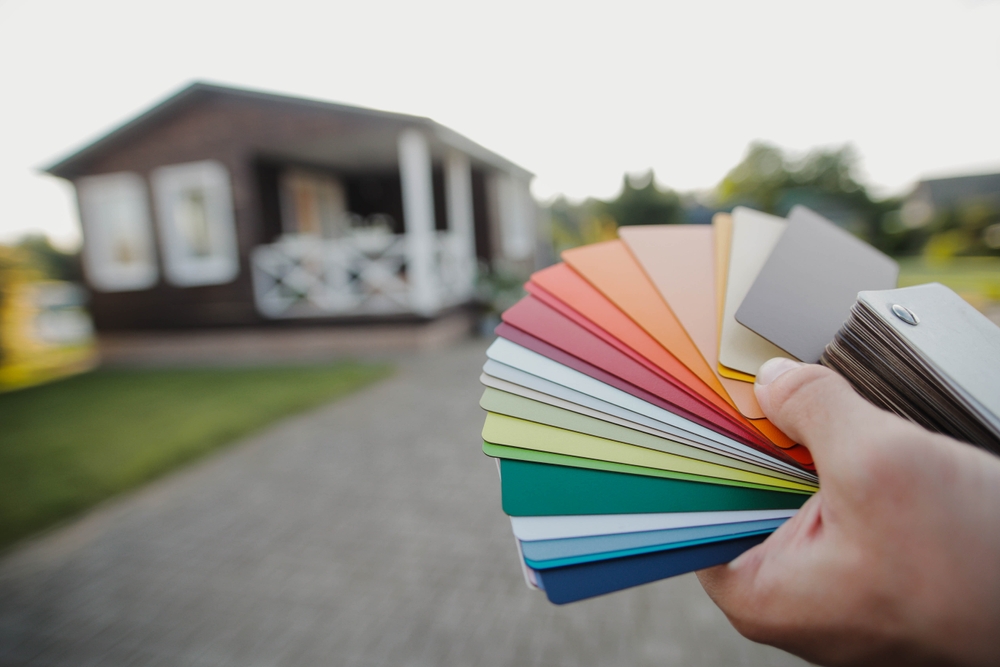
Applying dark colors over light vinyl can cause the material to absorb excessive solar heat and severely warp. Always choose specially formulated “vinyl-safe” color palettes. A common rule of thumb is to select a color with a Light Reflectance Value (LRV) higher than the original siding.
Preparation for vinyl involves deep cleaning to remove “chalking”; the white, powdery residue that develops as the material ages. If you paint over this powder, the new layer will fail within months. If you are looking for a house painter in Harleysville, PA to handle this delicate prep work, hiring professionals makes sure the synthetic surface is perfectly scrubbed, dried, and treated for optimal acrylic adhesion.
Wood and Cedar Siding Maintenance
Wood is the most traditional exterior building material and accepts new protective coatings exceptionally well when handled with care. Natural wood demands extensive surface preparation, including scraping away loose flakes and sanding rough patches to create a uniform profile. Because wood is highly porous, the material must be completely dry before any primer is applied; internal humidity should be below 15% before painting.
You must always apply a high-quality, stain-blocking oil primer to prevent natural wood tannins from bleeding through the final topcoat. Cedar and redwood are particularly prone to tannin bleed, which manifests as yellowish-brown stains on light paint. Once the primer has cured, applying two coats of high-quality acrylic latex paint provides the best protection against ultraviolet radiation and moisture.
Aluminum and Metal Exterior Painting
Aluminum exteriors fade and chalk heavily over time, leaving a distinct powdery residue that dulls the home’s appearance. You must rigorously scrub this oxidation off completely using a solution like trisodium phosphate (TSP) before a new layer of paint will adhere. If the oxidation is not removed, the new paint will bond to the dust rather than the metal itself.
Once thoroughly cleaned and primed with a rust-inhibiting base coat, metal exteriors hold new colors beautifully for decades. Metal does not expand and contract as drastically as vinyl, making it an excellent candidate for a wide variety of dark or light color choices. Our team at Proper Painting LLC frequently uses professional airless sprayers on metal siding to achieve a factory-smooth finish that looks indistinguishable from brand-new panels.
Painting Fiber Cement and Stucco
Fiber cement products are exceptionally stable and do not suffer from the same warping issues as vinyl or wood. However, they require repainting every 10 to 15 years to maintain water resistance. High-quality exterior acrylic paint bonds tightly to fiber cement, provided the surface is completely free of masonry dust.
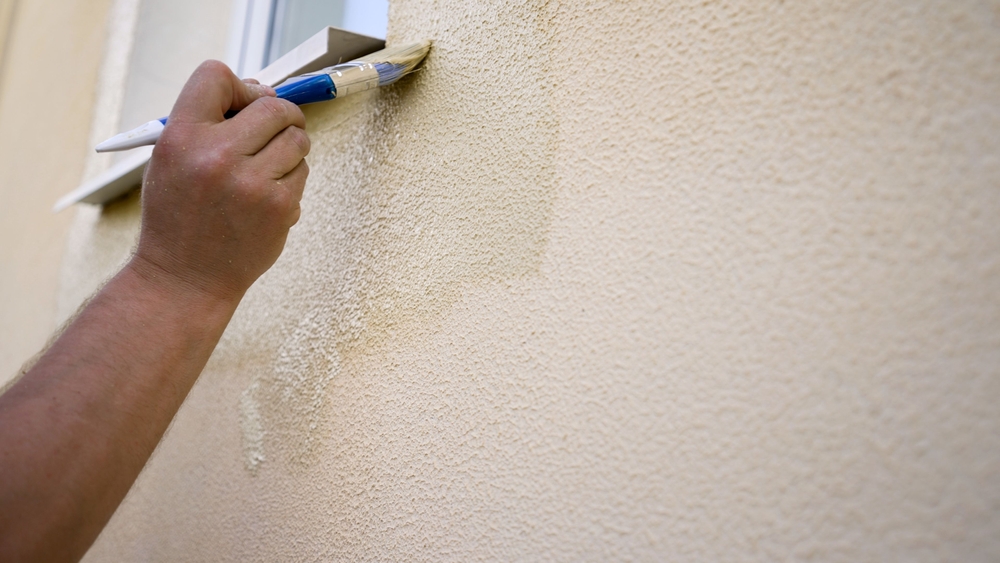
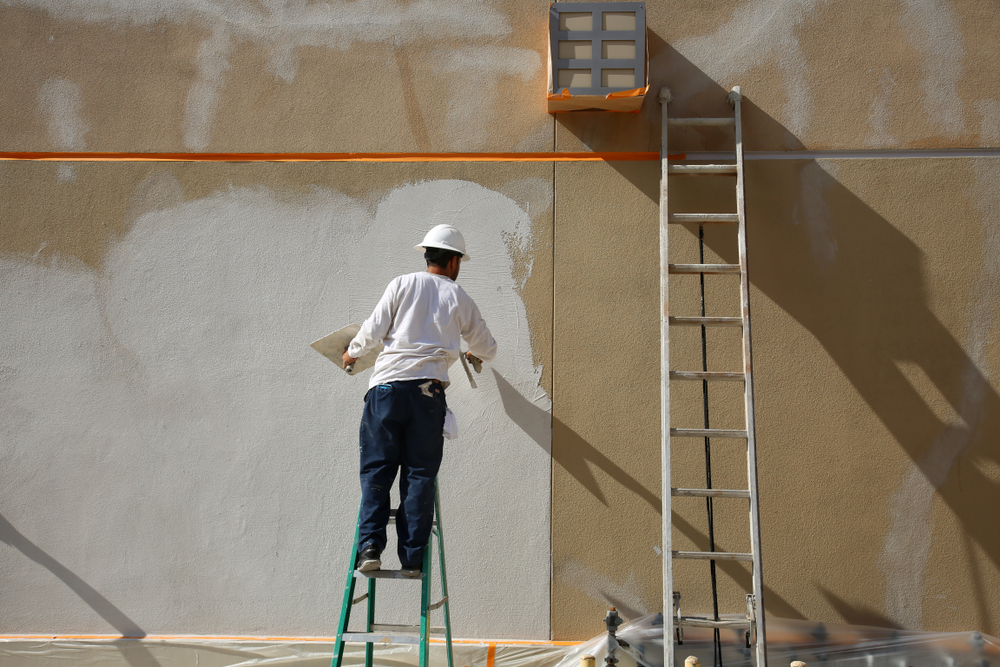
Stucco surfaces require a similar approach but benefit significantly from thick, rubber-like elastomeric coatings. These specialized finishes stretch to bridge the small hairline cracks common in masonry, providing a waterproof barrier against wind-driven rain. If you need an experienced exterior house painter in Chalfont, PA to evaluate your stucco or fiber cement siding, choosing a specialized contractor makes sure the right tools, like heavy-nap rollers or commercial sprayers, are used to coat every textured crevice.
The Financial Equation: Painting vs. Siding Replacement
Replacing the entire exterior of a standard residential home can be incredibly expensive. Professional painting typically costs a fraction of that price, making it an attractive option for budget-conscious property owners.
| Project Type | Average Cost | Expected Lifespan | ROI / Value Impact |
| Full Siding Replacement | $10,000 – $20,000+ | 25-50 Years | High upfront cost, long-term permanence |
| Professional Exterior Painting | Fraction of replacement cost | 7-15 Years | Immediate curb appeal boost, high short-term ROI |
Investing in high-grade exterior paint yields a significant return on investment, especially if you plan to sell your home soon. A modernized exterior color palette immediately attracts potential buyers and increases the perceived value of the property from the street. However, painting makes zero financial sense if your current exterior suffers from severe structural damage, widespread rot, or structural degradation.
Warning: Never paint over completely rotten wood or severely cracked fiber cement panels. Sealing damaged materials traps destructive moisture inside your walls, leading to catastrophic structural failure over time.
Pro-Level Preparation and Application Steps
Proper surface preparation directly dictates the ultimate longevity of any exterior coating project.
- Clean the Surface Thoroughly: Wash the entire house to remove dirt, mildew, and environmental pollutants. When using chemical cleaners, work from the bottom up to avoid permanent streak marks. Allow at least 48 hours of drying time.
- Repair and Seal Flaws: Fill every visible crack, nail hole, and seam with a premium elastomeric exterior caulk to block moisture penetration.
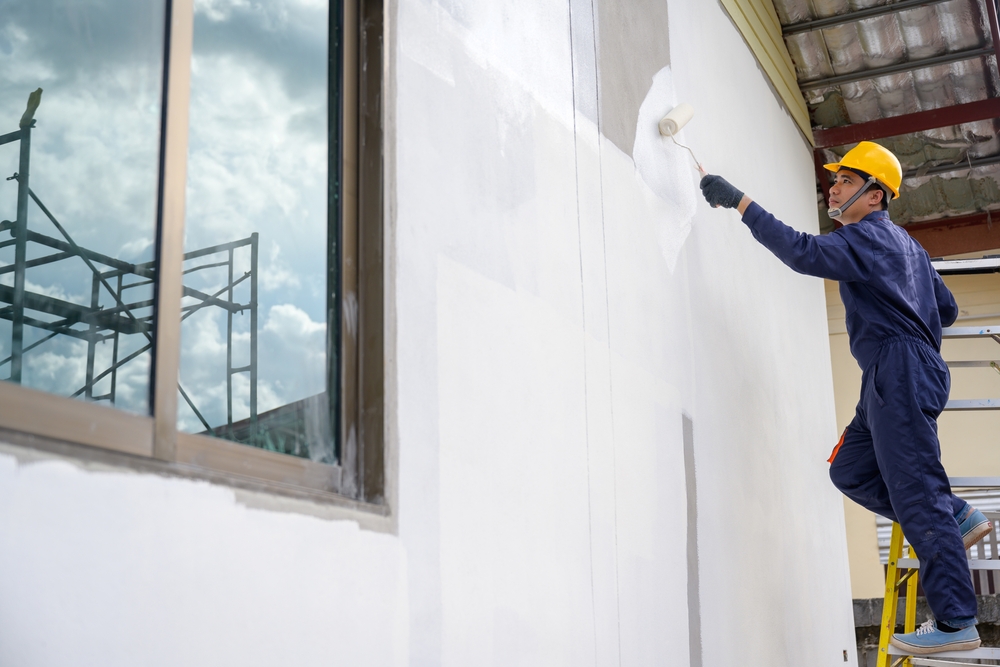
- Apply Primer and Topcoat: Apply a material-specific primer followed by two coats of high-quality exterior acrylic paint. Always work from the top of the house down to catch drips, and paint in the shade to prevent the sun from drying the paint too quickly.
Timing your project is just as critical as the labor itself. Aim for a string of dry days where temperatures remain consistently between 50°F and 85°F for optimal curing.
Long-Term Maintenance for Painted Siding
Once your project is complete, regular maintenance will extend the life of your new exterior finish. Perform a gentle annual wash with a standard garden hose to remove surface dust and pollen, avoiding high-pressure settings that can blast paint off prematurely.
Inspect the caulking around windows and door frames every spring. If you notice small cracks in the sealant, scrape them out and apply a fresh bead of elastomeric caulk immediately. Finally, keep an eye on the “drip line” near the foundation where rain splashes back onto the siding, as this area is often the first to show signs of wear.
Frequently Asked Questions
How long does a professional exterior paint job last?
Generally, a high-quality paint application on wood or fiber cement lasts 7 to 10 years, while vinyl and aluminum can often go 12 to 15 years before needing a refresh.
What is the best time of year to paint a house?
Late spring and early fall are typically the ideal seasons because they offer moderate temperatures and lower humidity levels, which allow the paint film to cure properly.
Can paint change the texture of my siding?
No. While paint changes the color and sheen, it will not hide the underlying texture of the material, such as natural wood grain or the stamped texture of fiber cement.
Enhance Your Home with Proper Painting LLC
Don’t settle for a faded, chalky, or outdated home exterior. At Proper Painting LLC, we bring industry-leading expertise, specialized equipment, and premium materials to every residential project, achieving a flawless finish that stands the test of time.
Ready to boost your curb appeal? Contact Proper Painting LLC today to schedule your free, no-obligation exterior painting estimate!