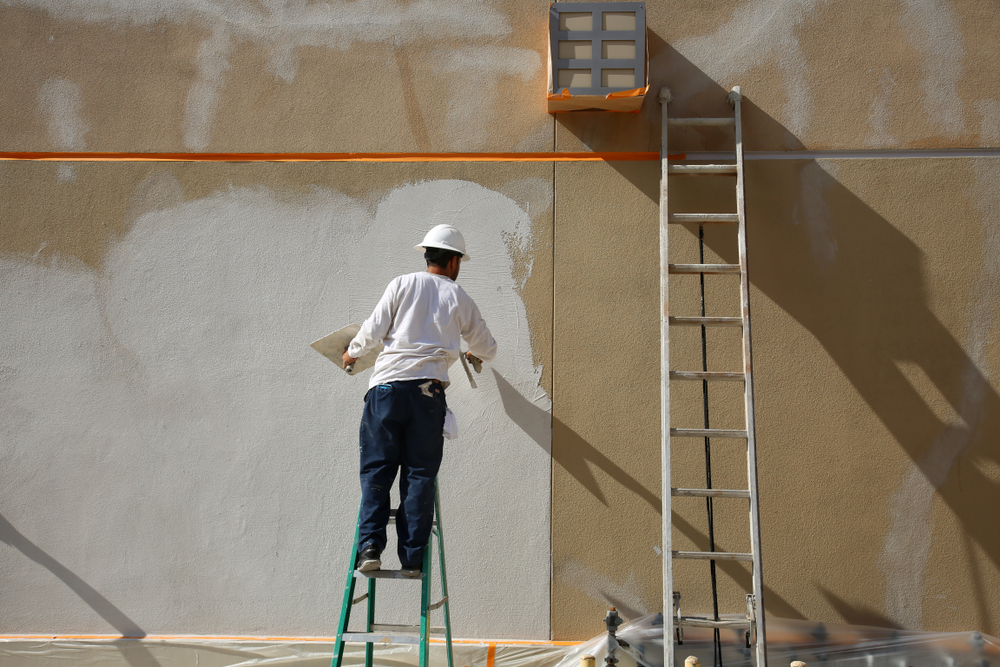

Many homeowners look at their aging residences and wonder: can you paint over exterior stucco?
The short answer is a resounding yes. You can absolutely paint stucco, provided you follow the correct structural procedures, perform meticulous substrate preparation, and utilize materials specifically engineered for masonry.
Painting stucco does far more than simply refresh the aesthetic appeal of your property. It adds a vital, defensive layer of protection against the harsh, unrelenting elements of nature. This process is a strategic maintenance step that can significantly extend the life of your home’s exterior envelope. At Proper Painting LLC, we specialize in these high-stakes architectural transformations, treating every home as a complex masonry system rather than just a simple surface to be covered.
The Composition and Chemistry of Stucco Surfaces
Before purchasing any paint or equipment, you must understand the unique physical condition and chemical makeup of your exterior walls. Traditional stucco is not a flat, inert canvas. Instead, it is a highly specific blend of Portland cement, sand, water, and lime. This mixture cures into a durable, rock-like shell that is naturally and deeply porous.
The Critical Importance of Breathability
The porous nature of stucco is an intentional design feature, not a structural flaw. It allows the home to “breathe,” meaning trapped internal moisture and water vapor can easily escape from the inside of the house through the exterior surface.
- The Risk: If you seal this porous masonry surface with non-breathable, low-quality, or standard architectural exterior paint, internal water vapor becomes permanently trapped within the walls.
- The Consequence: This trapped moisture leads to severe structural issues over time, including wood rot, structural degradation, and toxic mold growth within the wall cavities.
- The Visual Failure: Eventually, the trapped moisture will force its way outward, pushing the rigid, non-breathable coating off the wall in large sheets, a frustrating phenomenon known as blistering or spalling.
Curing Times and pH Balances
New stucco installations require strict patience during the curing process. You must wait at least thirty to sixty days for the high alkaline levels in fresh cement to naturally drop.
Painting too early leads to a destructive chemical reaction called saponification, which essentially turns the binders of the paint into a soapy, chalky, and peeling mess. To prevent this, industry professionals use specialized pH pencils or litmus paper to scientifically verify that the substrate is chemically stable before applying a single drop of primer.
The Preparation Phase
This essential preparation work dictates the overall success or failure of your project for exterior painting in Lansdale, PA, far more than the actual paint application itself. You must create a perfectly clean, structurally sound foundation for the new finish to grip effectively across the entire textured surface.
If you skip these prep steps, you will almost certainly experience poor adhesion, leading to premature coating failure. A properly cleaned surface allows the primer to penetrate deep into the microscopic pores of the masonry, creating an unbreakable mechanical bond.
1. Deep Cleaning and Pressure Washing
Over time, stucco collects dirt, pollution, atmospheric oils, and organic growth. You must remove these contaminants before proceeding. Using a dedicated pressure washer makes this step incredibly efficient, but it requires a highly delicate touch.
Pro Tip
Aggressive pressure washing can easily gouge and ruin masonry. Always use a wide spray nozzle (such as a 25-degree or 40-degree tip), maintain a safe distance from the wall, and keep the pressure regulated to avoid eroding the delicate sand finish or forcing high-pressure water deep into the wall cavities.
2. Inspecting and Repairing Physical Defects
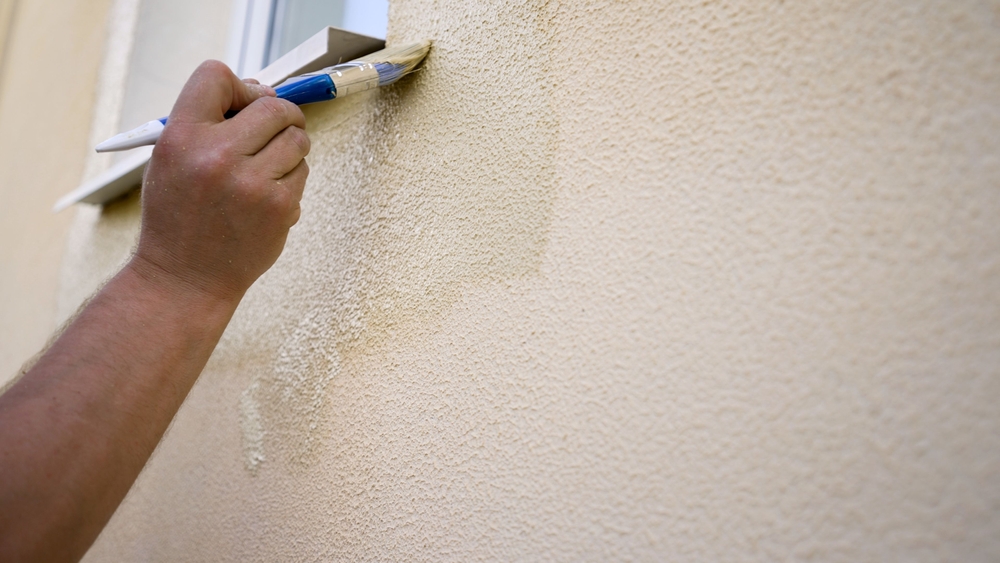
Once the walls are clean and dry, you must thoroughly inspect the surface for physical defects. Large structural gaps or fine “spiderweb” hairline cracks often form near window frames, door trim, or foundation lines due to natural settling.
- Large Cracks: These require a proper, polymer-modified stucco patch compound to fully restore the structural integrity of the facade and match the surrounding texture.
- Minor Imperfections: For hairline cracks, use a high-quality, flexible acrylic caulk designed specifically for masonry. This allows the filler to expand and contract with seasonal weather shifts.
- Vegetation Removal: Invasive ivy or climbing vines must be completely removed. Their rootlets penetrate the stucco pores and can physically pull the new paint layer away from the wall as they grow.
Technical Application and Professional Standards
Executing a stucco exterior upgrade requires a highly methodical approach and the correct specialized tools. Rushing through the application process will drastically compromise the final appearance and long-term durability of the coating, leading to uneven color, patchy sheen, and thin spots.
You must also monitor the weather forecast closely. Extreme heat, direct blistering sunlight, or impending rain can ruin a fresh application before it has a chance to properly set and cure.
Successful stucco painting in Warrington, PA requires strict attention to detail during every single phase of the project, from the initial wash to the final brush stroke. A systematic approach prevents costly mistakes and saves significant time and money by avoiding the need for premature rework.
Keep in mind that the heavy texture of a stucco wall will consume significantly more paint than a flat surface. The increased surface area created by the peaks and valleys means you should always order 20% to 40% more material than your initial flat square footage calculations might suggest.
The Step-by-Step Restoration Process
- Clean and Pressure Wash: Remove all loose debris, chalking residue, and organic growth like mildew or algae. Allow the surface to dry completely for several days to guarantee no moisture remains trapped in the deep crevices.
- Repair the Surface: Fill any hairline cracks with flexible masonry sealant to prevent future water intrusion and structural rot. Smooth and feather the filler carefully so it blends with the surrounding stucco texture.
- Prime the Walls: Apply a high-quality, stain-blocking, alkali-resistant masonry primer. This seals the highly porous masonry and provides a uniform, chemically stable base layer for the topcoat.
- Apply the Coating: Roll or spray a premium elastomeric coating evenly across the surface for maximum weather protection. Always apply two full coats to achieve the manufacturer-recommended dry film thickness.
Application Techniques: Spraying vs. Rolling
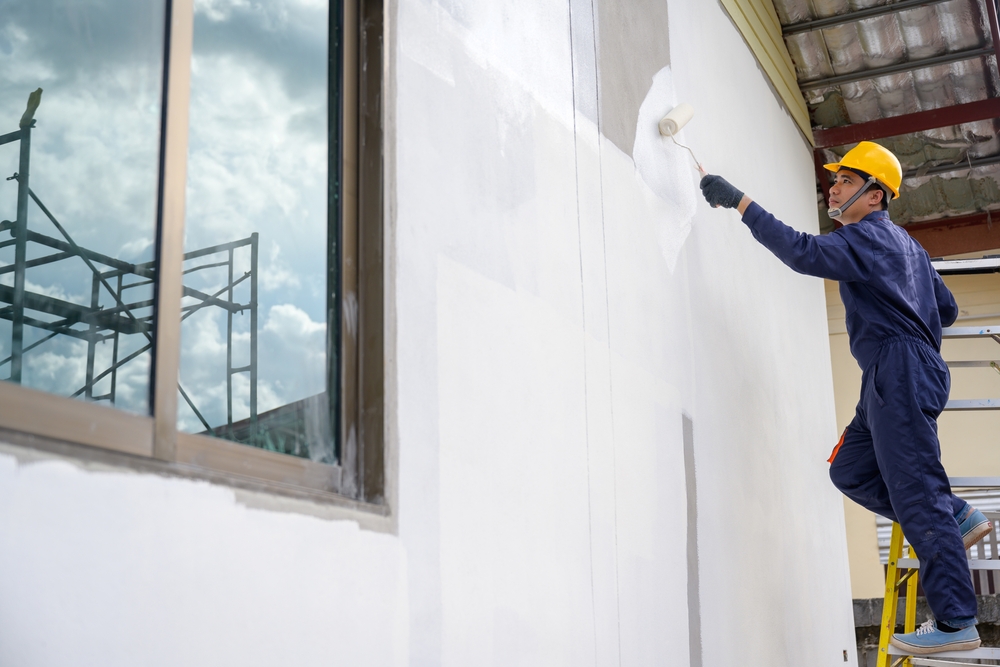
Applying the topcoat requires proper physical technique to push heavy, thick material into a heavily textured surface. Most professionals use a thick nap roller or an industrial airless sprayer equipped with a large spray tip to achieve full coverage.
If you choose to spray the liquid material, you must back-roll the surface immediately while the paint is still wet. This back-rolling technique is the only way to guarantee that the paint isn’t simply “bridging” over the pits and valleys in the stucco. Bridging leaves tiny, invisible air pockets beneath the paint film where moisture can eventually collect, freeze, expand, and destroy the paint job.
Selecting the Best Stucco Paint
Standard exterior latex paints often lack the film thickness and elasticity needed for heavily textured masonry. To achieve longevity, you need a product engineered with high-quality resins that can withstand intense seasonal shifts.
The Power of Elastomeric Coatings
Many industry experts, including our team at Proper Painting LLC, highly recommend premium elastomeric coatings for stucco surfaces. These coatings are formulated to be significantly thicker than standard exterior house paint and possess incredible “elongation” properties.
An elastomeric coating can stretch and contract up to 100% or more as the building naturally moves and temperatures fluctuate. This incredible elasticity allows the paint film to successfully bridge small hairline cracks that may develop over time, maintaining a completely waterproof, unbroken seal over your home.
Choosing the Right Finish and Color
The specific sheen and color you select will directly impact both the long-term maintenance requirements and the physical temperature of your exterior walls:
| Paint Sheen | Pros | Cons | Ideal For |
| Flat / Matte | Completely hides physical imperfections, patches, and wavy masonry. | Harder to clean; absorbs dirt slightly easier. | Older homes with heavily repaired stucco. |
| Satin / Eggshell | Offers easier cleaning, resists dirt pickup, and sheds water quickly. | Highlights every bump, flaw, and repair patch in the masonry. | Modern, smooth-coat stucco installations. |
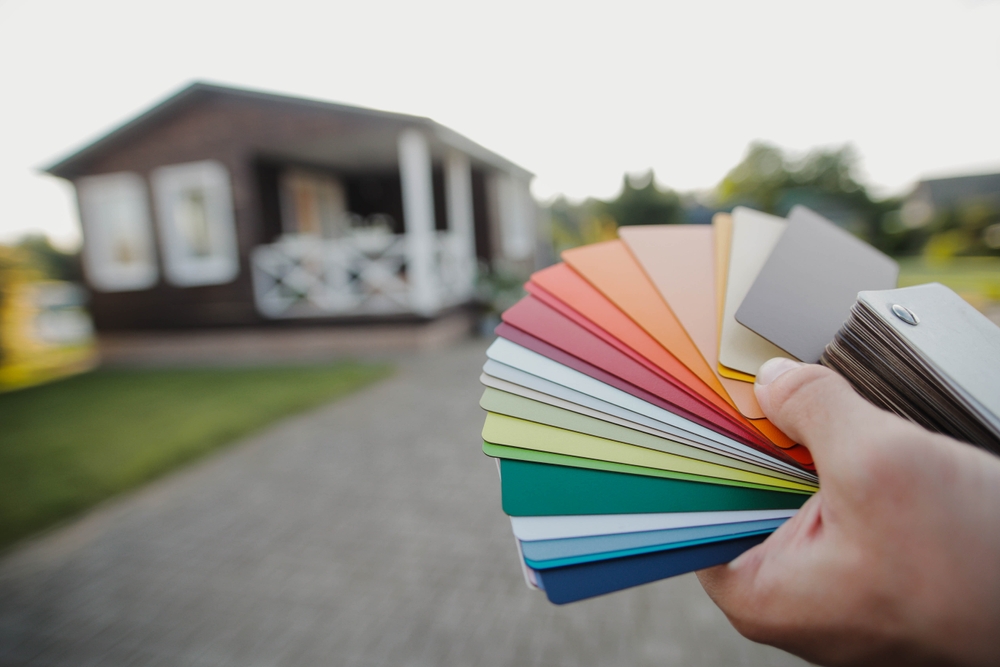
Why Color Choice Matters: Darker colors absorb significantly more ultraviolet (UV) radiation and thermal heat from the sun. This increased heat absorption leads to greater thermal movement in the walls, putting immense physical stress on the paint film and accelerating the breakdown of the coating’s resins. In sun-drenched environments, choosing lighter, reflective shades helps keep the home cooler and dramatically extends the overall lifespan of the paint job.
The Science of Permeability
One of the most technical aspects of professional masonry maintenance is understanding the product’s perm rating. A perm rating measures the exact rate at which water vapor can pass through a specific paint film.
For stucco surfaces, a high perm rating is absolutely essential. If you apply a product with a low perm rating, you are essentially wrapping your house in a giant layer of plastic wrap. In climates with high humidity or significant seasonal temperature swings, this lack of breathability leads to catastrophic moisture buildup directly behind the paint layer. Over time, this trapped moisture will rot the wooden structural studs and sheathing of your home without you ever seeing it from the outside.
Why Professional Expertise Matters
While DIY home improvement projects are highly popular, painting a stucco exterior is a massive, high-risk undertaking. It involves specialized chemical management, high-altitude ladder work, and heavy machinery. Hiring a qualified, licensed contractor like Proper Painting LLC offers several distinct advantages:
- Maximum Efficiency: Our professional, synchronized crews can often complete in just three days what might take a solo homeowner weeks of exhausting, dangerous labor.
- Specialized Gear: We utilize heavy-duty, commercial-grade airless sprayers and specialized masonry rollers designed specifically to saturate deep, rugged textures efficiently.
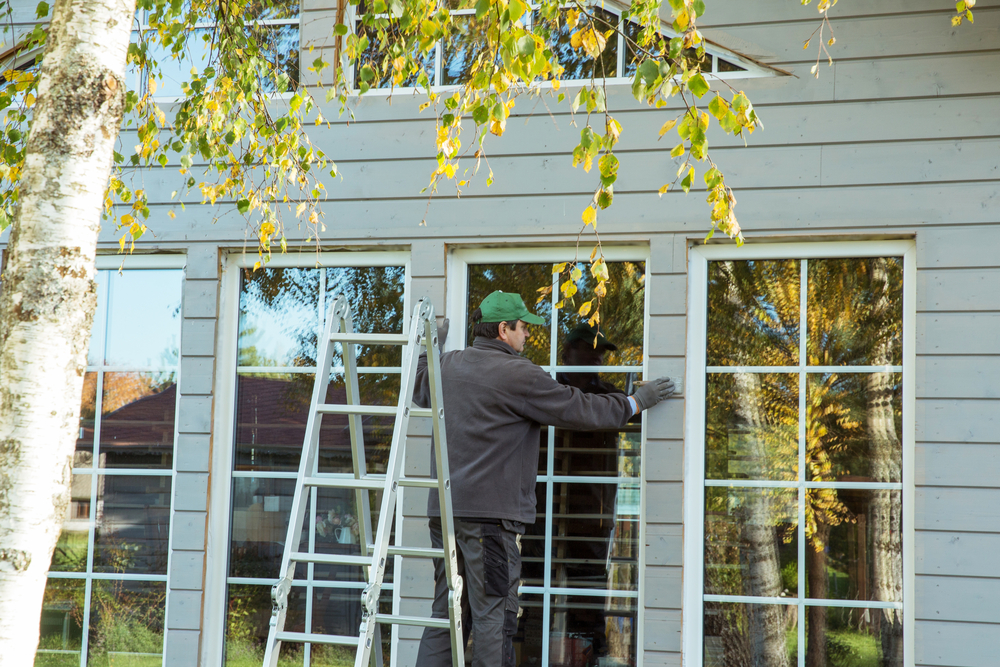
- Liability and Safety: We carry comprehensive liability and workers’ compensation insurance to protect your property and handle all the inherent safety risks of high-altitude ladder and scaffolding work.
- Material Mastery: Our professionals understand the unique nuances of handling elastomeric coatings, which dry quickly and handle completely differently than standard exterior latex paints.
Navigating the Professional Partnership
Contact Proper Painting LLC today to achieve a durable, beautiful, and fully protected home that will withstand the elements for many seasons to come. Once completed, simple routine maintenance will make sure that your new paint job continues to look pristine and perform its vital protective duties for years to come.