
What if the secret to reviving your older home wasn’t a full gut renovation but the clever use of paint? If you’ve ever walked through an older home and caught yourself staring at cracked corners, uneven patches, or walls that seem to ripple in the wrong light, you’re not imagining things.
Time, weather, and decades of wear leave their fingerprints on walls, ceilings, and trim. And while many homeowners assume the only fix is to tear everything out and start fresh, professional painters would disagree. They know the tricks that can make walls appear nearly flawless without breaking the bank or your patience.
This is not about covering up flaws with heavy coats of paint. It’s about surface strategy. Skim coating, texture techniques, and choosing the right paint finish can all work together to help disguise imperfections, enhance character, and give your space a polished, updated feel. In fact, these techniques have become the secret weapon of professional painters working in charming older homes that just need a little finesse.
That’s where experience comes in. Professional painters have a trained eye for detecting which issues need repair, which can be masked, and which ones add character. They know that sometimes the right angle of lighting, paired with the right texture and paint finish, can make an old wall look like it just stepped out of a design magazine.
Why Older Homes Show Their Age
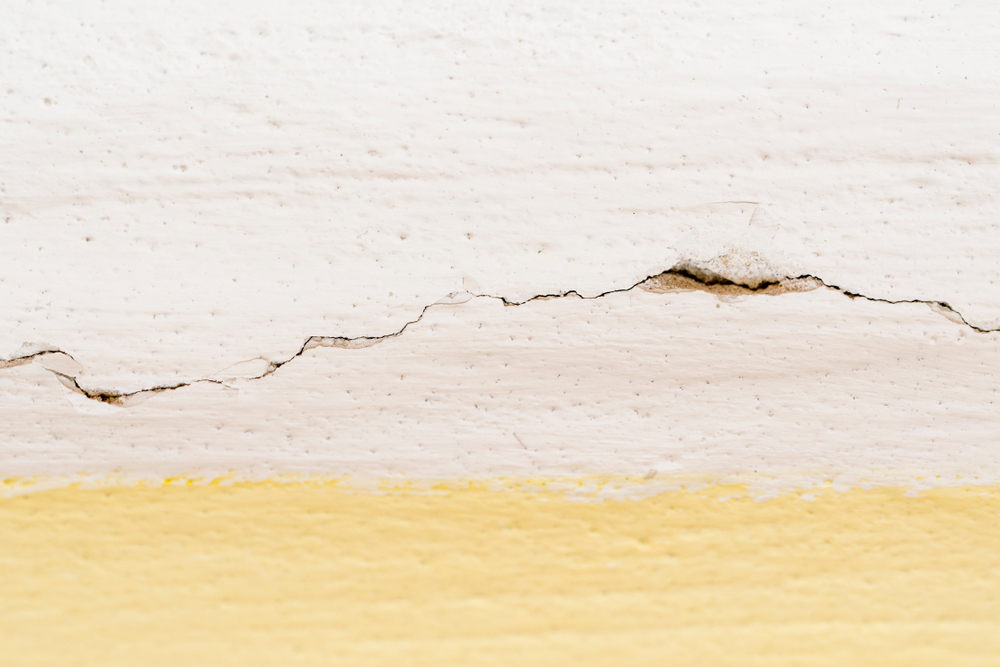
Old homes come with a ton of character and a fair share of cosmetic baggage. Over time, walls shift, settle, and show signs of everything from water damage to poor patch jobs. Even the best-laid plaster or drywall develops cracks, dents, and dings that can make a paint job look worse instead of better if it’s not handled with care.
Common issues include:
- Hairline cracks from settling
- Patches from removed fixtures
- Dents or gouges in drywall or plaster
- Discoloration or staining
- Uneven surfaces from past repairs
Paint, especially in the wrong finish, can amplify these flaws. That’s why true surface preparation is the most important step before any color goes on your walls.
In many cases, these flaws also reflect deeper stories such as where furniture used to sit, where photos once hung, or even signs of structural tweaks over the decades. A professional knows how to read these clues and respond with the right solution, whether it’s a gentle skim coat or a complete texture refresh.
Skim Coating: The Art of Starting Fresh
Skim coating is a method used by professional painters to create a smooth, uniform surface on walls or ceilings. It involves applying a thin layer of joint compound (also called mud) to even out surface inconsistencies. It’s not glamorous, but it can completely change how your walls look and feel.
So, when should you skim coat?
- If walls have multiple patched areas
- When removing wallpaper leaves damage or rough texture
- If the surface has been painted many times and looks uneven
- When cracks or nail pops create unsightly ridges
The process involves spreading compound across the entire surface, letting it dry, sanding it smooth, and repeating if necessary. It’s labor-intensive, but it transforms tired, damaged walls into a blank slate. Once skim coated and primed, your walls are ready to hold paint the way they were meant to.
Many professionals, like residential painters in Collegeville and beyond, consider skim coating the equivalent of resurfacing an old road before laying new asphalt. Without it, the top layer, no matter how high quality, will always look compromised. For walls that have lived through a lot, this is often the single most important step toward a clean, modern look.
Texture Techniques: Embrace the Imperfect
While smooth walls can be beautiful, they aren’t always practical, especially in older homes where perfect flatness is almost impossible. That’s where texture comes in. Texture adds visual interest and can actually help disguise surface issues by drawing the eye in different directions.
Here are some of the most common texture techniques professional painters use:
| Technique | What It Does | Where It Works Best |
| Knockdown Texture | A splatter pattern that is smoothed with a knife to create a mottled, varied surface | Ceilings or walls with small imperfections |
| Orange Peel | A soft, consistent splatter that resembles the surface of an orange | Hallways, bedrooms, and other moderate-traffic areas |
| Skip Trowel | Troweled plaster technique that creates a rustic, Old World look | Accent walls or entire rooms with character |
| Sand Swirl | A swirl pattern created using a brush and compound | Ceilings, especially in large open rooms |
| Brushed Texture | Visible brush strokes used to create movement and depth | Living rooms, dining areas, or feature walls |
Texture doesn’t just mask flaws. It transforms them into visual style. The key is choosing the right technique that matches both the imperfections and the overall aesthetic of the space.
Additionally, textures have the bonus effect of softening acoustics, muting echoes, and adding warmth to otherwise sterile spaces. This makes them especially valuable in older homes with wood floors or high ceilings where sound can bounce awkwardly. A lightly textured wall can improve both look and feel.
Paint Finish: Choosing the Most Forgiving Option
The finish of your paint determines how much light it reflects. More reflection means more visibility of every bump, divot, and crack. That’s why professional painters are intentional about the finish they choose, especially in rooms where wall imperfections are difficult to fully eliminate.
Let’s break down the most common finishes and when they’re best used:
| Finish | Shine Level | Best For | How It Helps Hide Imperfections |
| Flat | No shine | Ceilings, low-traffic rooms | Absorbs light, hides flaws best |
| Matte | Minimal shine | Living rooms, bedrooms | Similar to flat, but more washable |
| Eggshell | Soft luster | Hallways, dining rooms | Still hides flaws, offers slight durability |
| Satin | Moderate shine | Kitchens, bathrooms | More durable, but less forgiving on uneven surfaces |
| Semi-gloss | High shine | Trim, doors, high-touch areas | Highlights flaws, not recommended for imperfect walls |
Professional painters often recommend flat or matte for older walls where perfection isn’t possible and durability isn’t the top concern. In areas where cleanability matters (like kitchens), eggshell becomes a good compromise.
When used correctly, finish can subtly redirect light to highlight your space’s best features instead of drawing attention to old wall scars. The right sheen creates harmony between paint, light, and architecture.
Primer: The Unsung Hero
Before any finish coat goes on, a professional will always prime the surface, especially after skim coating or texturing. Primer does more than help paint stick. It evens out the surface’s absorbency so the top coat dries evenly and doesn’t look blotchy. It also helps seal stains or discoloration that might bleed through.
For older homes, stain-blocking primers are especially useful. They stop watermarks, nicotine stains, or years of fading from affecting the fresh paint.
It’s also a key player in extending the life of the paint job itself. Without a solid primer, the beautiful topcoat is far more likely to peel, fade, or react unevenly to humidity and temperature changes. In short, skipping primer is never worth the short-term savings.
Color Choices That Hide More Than They Show
Just like finish, color plays a role in how much attention a wall draws. Pure white might seem clean, but it shows every flaw. Bold dark shades can also highlight unevenness due to how they reflect light.
Professional painters often recommend:
- Soft grays and taupes that add warmth without contrast
- Mid-tone greens or blues that provide interest but keep visual focus off flaws
- Earthy neutrals that work well with natural lighting in older homes
The right color softens harsh lines and helps visually blend imperfections. Paired with the right finish, it can make a room feel cleaner, fresher, and more intentional, even if the walls beneath tell a different story.
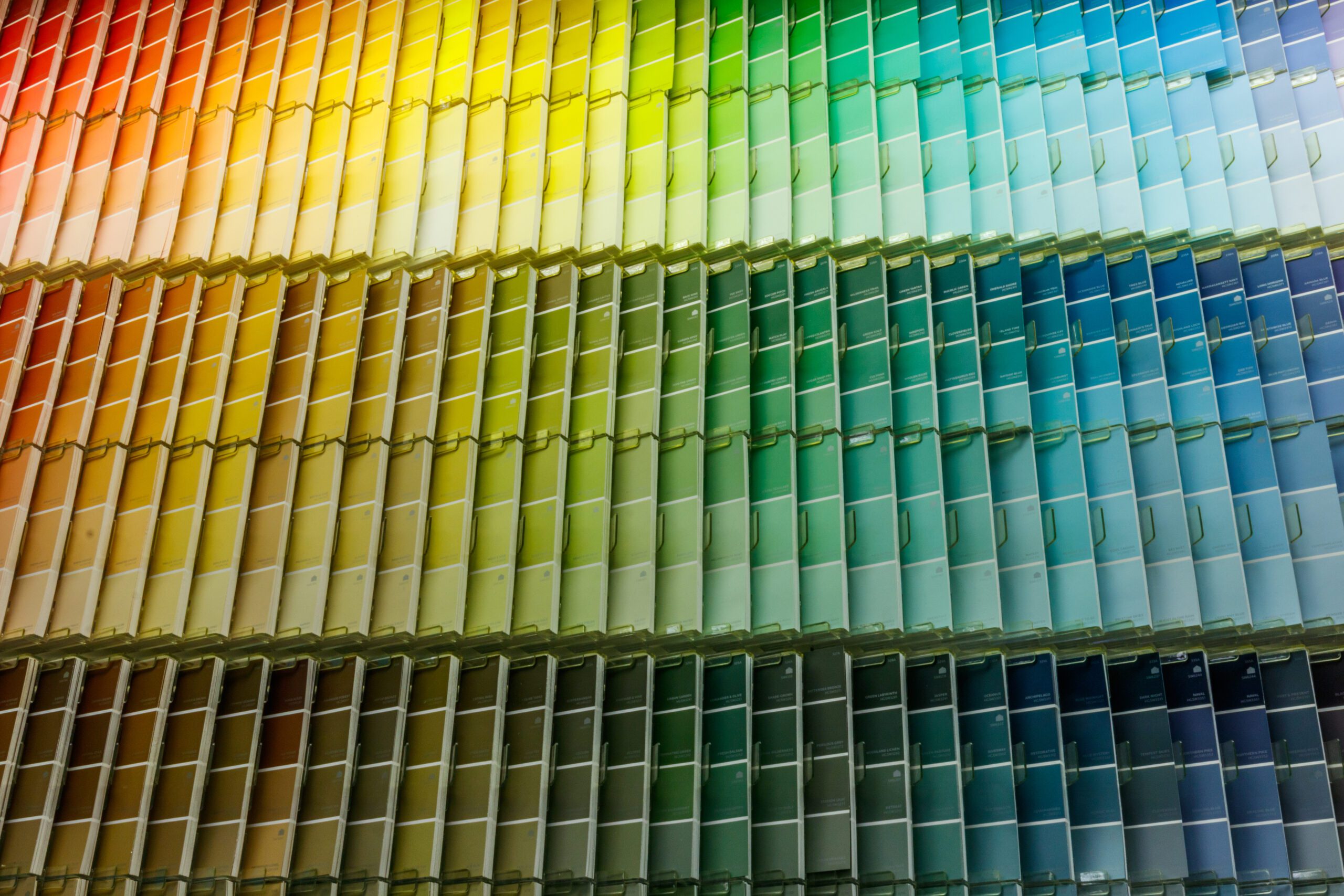
Don’t forget that color can shift throughout the day depending on natural and artificial lighting. That’s why a pro will often suggest sampling a few swatches on your wall before committing. In older homes especially, the interaction between paint and history is part science, part art.
The Role of Lighting and Paint Together
Even the best paint job can look different depending on how light hits the wall. In older homes, window placement and ceiling height affect how flaws show up. Pros account for this when painting. If a wall is flooded with sunlight, a flatter finish and a warmer tone can keep flaws hidden. If artificial lighting highlights dents or cracks, texture can help break up the reflection.
Painters in Warrington and the surrounding areas also use techniques like cutting in edges properly, feathering roller marks, and choosing the right tools for application. These all make a difference in how forgiving the final look turns out.
Additionally, they’ll consider using paint with low sheen or adjust the lighting itself to soften the appearance of the room. It’s all about designing a space where your eyes settle on beauty, not blemishes.
What Proper Painting Brings to the Process
At Proper Painting, we understand that painting an older home isn’t about perfection. It’s about preservation and transformation. Our painters have decades of experience working with homes that have lived through seasons, stories, and renovations. We don’t cover flaws, we minimize them with preparation, texture, and expert product choices.
We treat every wall like it matters, and we know when to skim, when to texture, and when to shift the color plan to make a room shine. And we’ll always walk you through the options so you feel confident about the investment.
We’re not just here to paint your home. We’re here to help it feel whole again, to honor its character while giving it the refreshed look it deserves.
Embrace Your Home’s Imperfections, With the Help of the Pros
Old walls don’t need to be perfect to look beautiful. With the right prep, a thoughtful finish, and a painter who knows how to work with character rather than fight against it, even the most uneven surfaces can become part of a room you love to spend time in.
Paint is more than color. It’s a tool to enhance, disguise, and elevate. If your home’s walls are telling a story you’d rather not hear every time you walk by, consider letting a professional painter rewrite the script. Ready to smooth things over? Contact Proper Painting today for a personalized consultation and learn how we can help your home wear its age well with confidence.