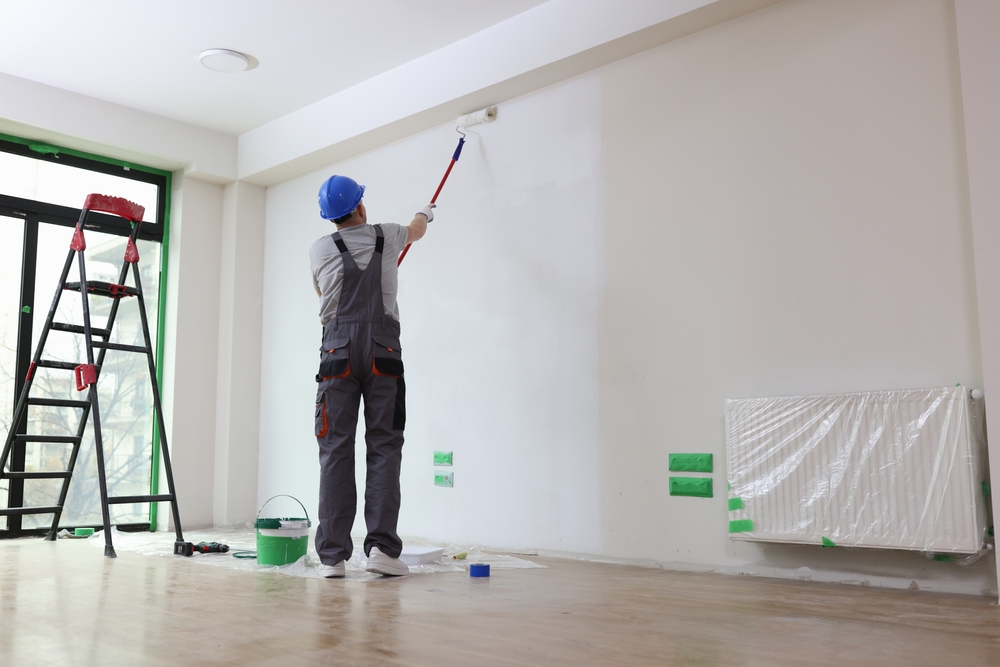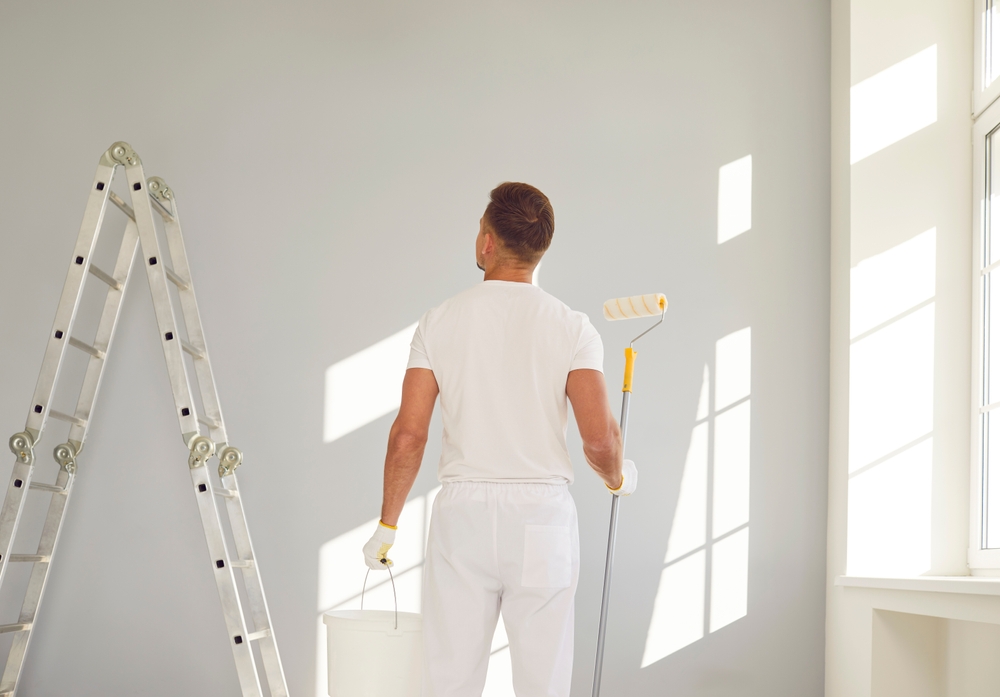


Developing professional commercial painting skills requires a specific set of technical abilities that go far beyond residential work. Operating on an entirely different scale, this demanding trade requires a rigorous combination of physical stamina, mechanical knowledge, and safety awareness to handle large-scale projects efficiently.
What skills do commercial painters need to succeed in this competitive industry? The answer involves mastering advanced application methods while understanding the chemical properties of industrial coatings.
Professional painters must deliver flawless results on tight schedules in challenging environments like factories, retail hubs, or office towers. Because they work with complex, often hazardous materials requiring precise mixing ratios, success depends entirely on an ability to adapt to different surfaces and specifications. At Proper Painting LLC, we look for crew members who can operate heavy machinery and read complex blueprints without constant supervision.
Surface Preparation and Industrial Coatings
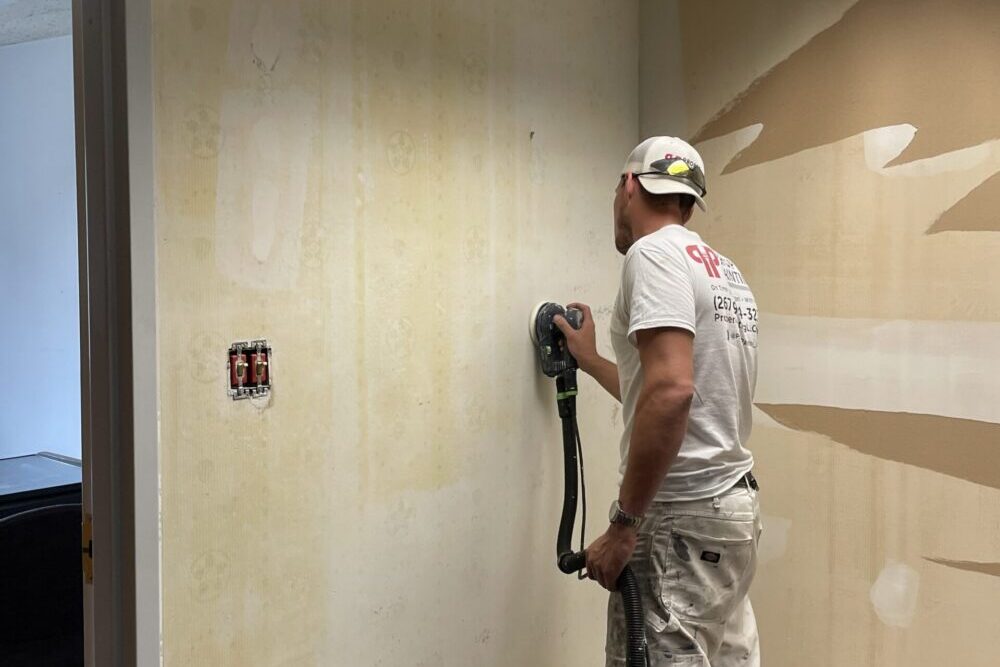
The longevity of any paint job depends almost entirely on the quality of the surface preparation work performed beforehand. Commercial painters in Doylestown spend a significant portion of their time cleaning, sanding, and repairing surfaces to guarantee proper adhesion. To prevent premature coating failure, a painter must know how to remove old coatings, grease, rust, and industrial contaminants. This meticulous attention to detail is a cornerstone of Proper Painting LLC’s services.
Different substrate materials require distinct cleaning methods:
- Concrete & Masonry: Often requires heavy-duty pressure washing or chemical etching to clear away efflorescence and dirt.
- Metal & Steel: Typically demands solvent cleaning or abrasive blasting to strip away mill scale and oxidation.
A skilled painter performing surface preparation knows exactly which abrasive to use when sandblasting steel to achieve the correct profile. Without this specific, rough texture, high-performance industrial coatings cannot grip the metal and will eventually peel off.
Repairing damage to the substrate is another critical part of the preparation process on commercial sites.
Pro Tip
Always test the moisture content of masonry surfaces before applying any primer or paint. Applying a coating over damp concrete will trap moisture within the porous material, causing severe blistering, bubbling, and peeling within a matter of weeks.
Operating Airless Sprayers and Industrial Equipment
Speed, efficiency, and consistency are the primary goals when painting thousands of square feet in a commercial building. To achieve this, professional painters must be experts at using airless sprayers to apply heavy coatings quickly and evenly across vast surface areas.
This requires deep technical skills to handle three critical variables:
- Fluid Pressure: Adjusting settings to secure a smooth, consistent delivery.
- Fan Patterns: Regulating the spray width to prevent overlapping lines or thin spots.
- Spray Tip Size: Choosing the correct tip to match varying material viscosities (thickness).
The Power of Back-Rolling
To secure maximum adhesion, spraying is often paired with a technique called back-rolling. This process physically pushes the fresh paint deep into surface pores, sealing the substrate and creating a uniform texture.
This method requires precise, physical coordination between two painters: one sprays the material, and the other immediately rolls the wet film. Mastering this synchronized rhythm allows commercial crews to finish large exterior walls or expansive warehouse interiors with maximum efficiency.
Equipment Maintenance and Troubleshooting
Ownership and maintenance of this expensive commercial painting equipment is just as important as knowing how to use industrial application equipment effectively. On an active job site, mechanical failures can instantly stall production and disrupt tight schedules.
Because of this, top-tier painters must know how to troubleshoot on the fly. Crew members are fully trained to:
- Safely depressurize a high-pressure system.
- Disassemble and clean a spray gun.
- Clear clogged inline and tip filters.
- Diagnose and fix fluctuating pump pressure issues.
A painter who can fix their own equipment keeps the project moving without costly downtime.
Applying Industrial Coatings: Complex Materials and Chemicals
Commercial projects frequently use specialized coatings, like two-component epoxies, polyurethanes, and industrial enamels, that are chemically distinct from standard architectural house paints.
Working with these advanced materials requires three key competencies:
- Managing “Pot Life”: These products undergo a rapid chemical reaction once mixed, leaving a very limited window for application before they harden.
- Precision Curing Times: Applying a second coat too soon traps volatile solvents underneath. This chemical mistake causes wrinkling, bubbling, or pinholing, requiring a costly total strip-down. Proper Painting LLC’s services include strict adherence to manufacturer technical data sheets to avoid these chemical failures.
- Reading Safety Data Sheets (SDS): Professionals must understand an SDS to identify chemical hazards, flashpoints, and the exact Personal Protective Equipment (PPE), such as respirators or specialized gloves, required to prevent severe respiratory issues or dangerous chemical reactions.
How to Mix Two-Component Epoxies
- Verify the Mixing Ratio: Confirm the exact ratio of Part A (resin) to Part B (hardener) using calibrated measuring buckets.
- Agitate Components Separately: Thoroughly stir both parts individually before combining to redistribute any settled pigments or solids.
- Combine and Observe Induction Time: Mix the components together thoroughly with a mechanical mixer, then wait the manufacturer’s required induction time (sweat-in time) before applying. Skipping this induction step is a common reason for epoxy failure, but it is a mistake never made under Proper Painting LLC’s expertise.
Essential Safety Protocols: Operating Aerial Lifts
Commercial buildings are often tall, complex structures that require working at significant heights. Painters must be trained and certified to operate aerial lifts, including boom lifts, scissor lifts, and swing stages, safely and legally. This aspect of the job requires steady nerves, spatial awareness, and a complete understanding of a machine’s weight limits, tilt allowances, and balance points.
| Equipment Type | Common Commercial Application | Primary Safety Focus |
| Scissor Lift | Indoor warehouses, flat retail ceilings | Overhead clearance, level ground surfaces |
| Boom Lift | High-rise exteriors, hard-to-reach angles | Outrigger placement, harness attachment |
| Swing Stage | Multi-story building facades | Cable integrity, secure roof anchors |
Following strict safety protocols for fall protection is a non-negotiable skill for anyone working off the ground. Painters need to know how to inspect their full-body harnesses, shock-absorbing lanyards, and anchor points every single day before stepping onto a platform. Connecting to an improper anchor point or using frayed equipment can result in severe injury or death if a fall occurs.
Setting up scaffolding is another highly physical task that commercial painters in Bucks County perform regularly. Workers must be able to assemble frames, cross-braces, and guardrails securely to create a stable work platform. Inspecting the entire scaffold structure for stability before climbing is a daily responsibility that protects the entire crew.
Warning
Never operate a boom lift or scissor lift on uneven, sloped, or soft ground without using heavy-duty outrigger pads. The machine can easily tip over if the ground shifts or compresses under the concentrated weight of the wheels.
Advanced Blueprint Reading and Technical Specifications
1. Architectural Blueprint Reading
Commercial painters must accurately interpret complex blueprints to understand the overall layout, identify finish schedules, and determine exactly which walls, trim, or structural elements require coating. These drawings use specialized symbols, scales, and abbreviations that a professional painter must memorize, a technical skill refined through Proper Painting LLC’s years of expertise for commercial painting in Montgomeryville.
2. Measuring Mil Thickness
Project specifications strictly dictate the exact “mil thickness” required for each coat of paint. This refers to the thickness of the wet and dry paint film, measured in thousandths of an inch. Commercial painters must use wet film thickness (WFT) gauges continuously during application to verify they are applying enough material to meet the manufacturer’s warranty requirements.
The Stakes of Technical Literacy
Failing to follow these technical documents can quickly lead to:
- Costly contract disputes
- Failed structural inspections
- Voided manufacturer material warranties
Because the stakes are so high, project managers rely heavily on their painters to interpret these written instructions accurately without needing constant guidance. This high level of technical literacy is precisely what allows a professional painter to advance into leadership roles like job-site foreman or project estimator within the Proper Painting LLC service team.
Physical Stamina, Adaptability, and Soft Skills
The physical demands of commercial painting are intense and unforgiving. Workers routinely spend long, grueling days:
- Standing on hard concrete surfaces
- Climbing multi-story ladders and scaffolding
- Lifting heavy 5-gallon paint pails
- Holding vibrating spray guns overhead for hours at a time
Developing strong back, shoulder, and core muscles is absolutely necessary to prevent repetitive strain injuries over a long career. To meet these demands, Proper Painting LLC’s services are performed exclusively by professional crews who maintain the high level of physical fitness required for this intense labor.
Communication and Professionalism
Technical skills are vital, but soft skills are what keep a commercial painter employed long-term. Painters must be able to communicate clearly and professionally with general contractors, facility managers, architects, and other tradespeople on site to avoid scheduling conflicts and project delays. Proper Painting LLC’s expertise includes managing these professional relationships to guarantee a smooth, stress-free workflow for the client.
In occupied commercial buildings, such as active corporate offices, retail stores, or healthcare hospitals, painters must learn to work quietly, minimize disruptions, and keep their work areas exceptionally tidy. Your behavior on the job site reflects directly on the painting contractor’s brand and reputation. Maintaining a high level of professional conduct, wearing clean uniforms, and respecting the client’s property is just as important as the quality of the paint application itself.
Troubleshooting Common Paint Defects
Even with meticulous preparation, unexpected paint problems can occur due to environmental shifts, humidity, or substrate variations. A skilled commercial painter must be able to instantly diagnose and troubleshoot common paint defects on site:
- Flashing: This occurs when the sheen or gloss level looks uneven across a finished surface. A professional must know immediately if this defect is caused by poor priming over porous drywall or an uneven spray application technique.
- Runs and Sags: These dripping defects happen when a coating is applied too heavily or diluted incorrectly. Painters need the patience and skill to let the product dry, sand the defects down flat, and blend the repair back into the surrounding finish.
Recognizing these issues early allows you to execute corrections before the industrial coating fully cures into its final, hardened state. Proper Painting LLC’s expertise in troubleshooting makes sure that every single job is handed over to the property owner with a flawless, industrial-grade finish.
Conclusion
Commercial painting requires a diverse, robust toolkit of skills that beautifully blends manual labor with advanced technical knowledge. From operating heavy aerial lifts to calculating precise two-component mixing ratios, the job demands constant attention, safety compliance, and professional execution.
Those asking what skills do commercial painters need will find that the answer involves a lifelong commitment to continuous learning, safety awareness, and upholding the high standards of Proper Painting LLC’s services. Contact us today to get started. red that their projects are in the hands of true masters of the trade.