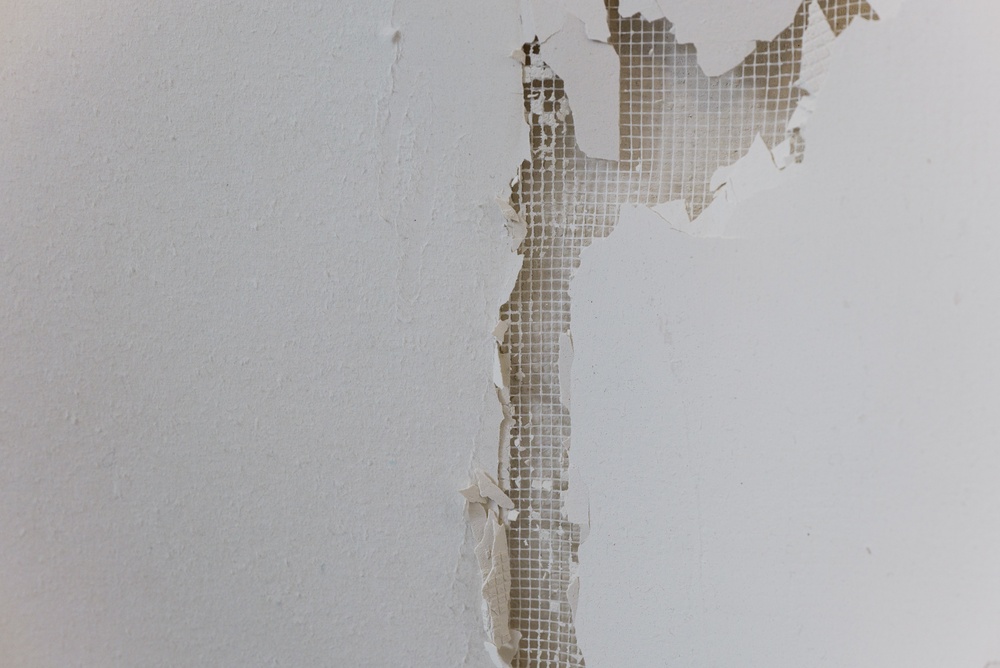


There’s a crack in your ceiling. Maybe you just noticed it this morning, or maybe you’ve been watching it creep across the drywall for months like some kind of slow-motion disaster movie. You’re standing there trying to figure out if this is a fifty-dollar problem or a “call the structural engineer” problem. Googling doesn’t help much. One article acts like your house is collapsing, the next one makes it sound like you can fix anything with a tub of spackle from the hardware store.
Most cracks? Totally harmless. Some of them actually do need fixing before they get worse. And yeah, a few are your house’s way of telling you something’s genuinely wrong. Knowing which is which saves you from either freaking out over normal settling or ignoring something that’s going to cost a lot more if you wait.
The Reality About Drywall Cracks
Every house gets cracks. Brand new construction gets them. That immaculately maintained Victorian down the street has them too. Houses move. Not in obvious ways you’d notice, but constantly, in tiny increments. Temperature swings make materials expand and shrink. Humidity does the same dance. Your foundation settles. The wood framing that holds everything together dries out over the years and shifts just slightly. All that movement puts stress on drywall, and cracks are how that stress shows up.
Once you understand this, you stop looking at cracks like they’re automatically bad news. They’re often just proof that your house is doing what houses do. The real question isn’t “why do I have cracks” but “are these cracks normal or not.”
People who work in painting and drywall see this stuff constantly. When the team at Proper Painting looks at a crack, they’re not just seeing the line in your wall. They’re thinking about what caused it, whether it’s going to keep happening, and what kind of repair will actually stick instead of failing in six months.
The Cracks You Can Stop Worrying About
Some cracks are purely cosmetic. Ugly? Sure. But they’re not telling you anything is actually wrong. Here’s what falls in that camp:
Hairline cracks
Hairline cracks are those thin, straight lines that just sit there not doing much. They show up where two drywall pieces meet, usually corners or along the ceiling line. They happen because the tape or compound has a tiny bit of give, but the wall itself isn’t going anywhere. Patch them whenever you feel like it. There’s no rush.
Nail pops
Little cracks or bumps where a nail or screw has worked its way out just slightly are nail pops. The wood framing dries and shrinks after your house gets built, and fasteners shift. The compound around them cracks or pops up. Annoying to look at, easy to fix, not a problem.
Corner bead cracks
Corner bead cracks happen at outside corners where the metal edge meets drywall. Usually from someone bumping into it or just normal settling. If the corner bead itself isn’t loose or mangled, this is surface-level stuff.
Spiderweb Cracks
These cracks in textured ceilings look dramatic but usually aren’t. The heavy texture cracks over time while the actual drywall underneath stays solid. More common in older houses.
All of these are fixable, but here’s the thing. You can’t just smear some filler in there and expect it to stay gone. If you don’t fix them right, you’re staring at the same crack again before the year’s out. That’s where having someone who actually knows drywall repair comes in handy, because they’re fixing the problem, not just covering it up temporarily.
Cracks That Need Attention Soon
Some cracks aren’t emergencies, but they’re definitely trying to tell you something before it turns into a bigger mess:
- Anything wider than 1/8 inch: These signify more movement than typical settling. These need repair, and then you need to keep an eye on them. The crack might not be the problem, but whatever’s causing it could be.
- Cracks that follow a pattern: These ominous cracks are weirder than single random cracks. Multiple cracks running the same direction or clustering in one spot? That’s a stress point worth looking at more closely.
- Cracks near doors and windows: Cracks near openings are usually the tell-tale sign that the framing around those openings is stressed. The headers above doors and windows carry weight, and cracks shooting out from corners might mean that load isn’t sitting right.
- Horizontal cracks along walls: These are sometimes the result of point to foundation movement or framing issues. One horizontal crack might be nothing. Several at the same height across different walls? Get that checked out.
These situations really benefit from someone who knows what they’re looking at. The crack you see is usually just the symptom. Proper Painting’s crew has seen enough of these to know when you need a simple repair versus when you should talk to a structural person before anyone touches the cosmetic stuff.
When Cracks Signal Real Problems
Most instances of drywall damage in Bucks County, PA and the surrounding areas aren’t a big deal. But sometimes they’re waving red flags, and when that’s happening, you need to stop reading articles and start making calls:
- Cracks wider than 1/4 inch that keep growing are past normal settling territory, especially if they showed up suddenly or have gotten noticeably bigger over a few weeks or months.
- Stair-step cracks that follow mortar lines in brick or block point to foundation movement that’s exceeded what you want to see in a stable house.
- Cracks plus sagging, bulging, or bowing in walls or ceilings suggest something might be failing structurally and need immediate attention from someone who knows what they’re looking at.
Doors and windows that suddenly stick or won’t latch when they used to work fine, combined with new cracks? That’s another warning sign. The cracks aren’t the actual problem in these cases. They’re evidence of something bigger happening with your foundation or structure.
Even when things look serious, a good painting and drywall company can still help. Experienced teams like Proper Painting spot these warning signs during regular estimates all the time and can point you toward the right structural specialists before anyone starts patching anything cosmetically.
Understanding What Causes Different Crack Types
| Crack Type | Common Causes | Urgency Level |
| Hairline vertical | Normal settling, temperature changes | Low – cosmetic only |
| Horizontal at ceiling/wall joint | House settling, truss uplift | Low to moderate |
| Diagonal from corners | Foundation settling, structural movement | Moderate to high |
| Stair-step pattern | Significant foundation issues | High – needs evaluation |
| Vertical along seams | Poor taping, normal settling | Low – cosmetic |
| Wide cracks (1/4″+) | Structural movement, foundation problems | High – investigate immediately |
This breakdown helps you categorize what you’re seeing, but context matters enormously. A 1/4 inch crack that’s been stable for five years is very different from a 1/4 inch crack that appeared last month. This is where professional experience becomes invaluable.
How to Monitor Cracks Over Time
If you can’t tell whether a crack is stable or actively growing, set up a simple tracking system. Put small pencil marks at both ends of the crack and write the date. Check monthly to see if the crack has pushed past your marks. You can also stick clear tape across it and watch to see if the tape tears as the crack widens.
Photos work even better. Put a ruler or quarter in the shot for scale. Your memory about whether something’s changed isn’t reliable, but photos with dates on them don’t lie. If you end up needing professional help, these photos become really useful reference material.
This monitoring approach makes sense for cracks that seem like they might be a problem but you’re not sure yet. You’re collecting actual data instead of just worrying, which helps you decide if and when to do something about it.
The Right Way to Repair Different Cracks
Not all repairs work the same way, and this is where a lot of DIY attempts go sideways. You can fill a crack with spackle and make it disappear for a while, but if you haven’t dealt with why it happened or used the right stuff and technique, that crack’s coming back.
Minor hairline cracks need you to widen them slightly to get a clean edge, fill with joint compound, tape with mesh or paper depending on the situation, and feather the compound so it blends into the wall around it. Then sanding, priming, and painting to make it invisible.
Bigger cracks need more work and are likely destined for drywall replacement in Montgomery County. You’re cutting out damaged sections, fitting new drywall pieces and securing them to framing, applying tape, building up multiple layers of compound, matching texture if there is any, and then painting. Getting texture right is genuinely hard, which is why even people comfortable with DIY often hand off drywall repair to someone who does it regularly.
Proper Painting deals with every kind of crack situation you can think of, so they know what can be quickly patched and what needs serious repair. They’ve got the tools and experience to match textures, which honestly makes the biggest difference between a repair you can see and one you can’t.
What to Tell Your Painting Contractor
When you’re ready to get cracks fixed professionally, give clear information so you get useful guidance:
- When did it show up?: New cracks versus old ones point to different causes.
- Has it gotten bigger?: Growing cracks need different treatment than stable ones.
- Are there more nearby?: Patterns matter way more than solo cracks.
- Anything else weird happening?: Doors that stick, floors that slope, foundation cracks all provide important context.
Photos help a ton, especially if you’ve been tracking the crack over time. A series of dated photos showing how it’s changed gives professionals way better information than you trying to remember and describe changes.
Proper Painting’s team asks these questions because the answers genuinely change how they approach the repair. A crack from five years ago that hasn’t budged gets handled differently than one from last month that’s already grown.
Common Questions Regarding Drywall Cracks
Can I just paint over small cracks?
Not if you want them to stay hidden. Paint might cover them temporarily, but they show through again fast and look even more obvious once they collect dust and dirt. Fix them properly first, then paint.
Will I be able to see where the repair was?
With professional work, proper texture matching, and quality painting, you shouldn’t. The skill in matching texture and blending is what makes the difference between invisible and obvious.
Should I fix cracks before or after painting?
Before, always. Fresh paint makes every flaw stand out, so cracks need to be repaired, primed, and ready before any painting happens.
Moving Forward With Confidence
Most drywall cracks are annoying to look at but not actually dangerous. Learning to tell harmless from serious means you can deal with small stuff calmly and catch the rare situations that need immediate attention. When you’re not sure, getting a professional opinion brings peace of mind and prevents you from either panicking unnecessarily or ignoring something that’ll get expensive if you wait.
Whether it’s one hairline crack bugging you or multiple cracks that need evaluation, fixing them right means they stay fixed. Quick patches and half-measures just put you back in the same spot soon.
At Proper Painting LLC, we’ve seen every crack situation there is. Our team knows how to figure out what’s causing your cracks, what kind of repair will actually work, and how to execute repairs that last. We handle everything from tiny cosmetic patches to major drywall repair, always focused on making your walls look perfect when we’re finished. Reach out to us today and let’s look at what’s going on and give you a clear plan.