
Painting your home’s interior is far more than a simple cosmetic upgrade. It is a direct investment in your property’s long-term comfort, structural protection, and overall aesthetic value.
But how exactly do you know when it’s time to trade your current look for a fresh coat? Many homeowners struggle with this timeline. Striking the right balance requires analyzing a unique mix of practical surface wear, structural environmental factors, and shifting design trends.
This guide breaks down the core variables influencing paint longevity, delivers an exact room-by-room breakdown, and provides actionable insider secrets to make your next interior paint job last for years to come.
4 Core Factors That Influence Paint Longevity
While a desire for a trendy new color palette often motivates a home makeover, practical variables usually dictate the technical timeline of your next project. Wall surfaces deteriorate at vastly different rates depending on their environment.
1. Daily Traffic and Lifestyle Habits
The way your household utilizes a space dictates how quickly the walls show their age. High-traffic thoroughfares naturally sustain friction damage far faster than isolated spaces.
- The Impact of Children and Pets: Active kids and pets mean frequent wall contact. Muddy paws, crayon marks, flying toys, and shoulder-height scuffs accelerate the need for a fresh coat.
- Airborne Elements: Indoor cooking habits, wood-burning fireplaces, and poor ventilation introduce microscopic oils, soot, and particles into the air. Over time, these particles bond with the paint film, leading to dulling or yellowing that standard cleaning products cannot fix.
2. Moisture and Humidity Levels
Moisture is the ultimate enemy of interior paint. When water vapor penetrates a standard paint film, it breaks down the underlying binders holding the paint to the drywall.
Rooms exposed to frequent temperature fluctuations and steam, like kitchens, bathrooms, and laundry rooms, experience constant expansion and contraction of the drywall. Without specialized coatings or proactive ventilation, this cycle inevitably leads to premature bubbling, cracking, and peeling.
3. The Quality of the Previous Paint Film
Not all paint is created equal. Cheap contractor-grade formulas often utilize lower percentages of solids (pigments and binders) and higher volumes of liquids (solvents and water).
As cheap paint dries, the thin film left behind lacks the elasticity and density required to withstand washing, sunlight, and minor impacts. Investing in premium architectural coatings means your walls gain a thick, flexible defense system that naturally extends the lifespan of the room by several years.
4. Direct Sunlight Exposure (UV Degradation)
Rooms with massive, south-facing windows receive gorgeous natural light, but they also experience intense ultraviolet (UV) exposure. Over time, UV rays break down the chemical bonds within paint pigments. This structural breakdown causes rich, vibrant colors to fade, look chalky, or shift in hue completely.
The Ultimate Room-by-Room Repainting Blueprint
Because every room experiences a distinct level of daily wear, you do not need to paint your entire home all at once. Instead, treat your interior as a collection of separate zones.
Hallways, Foyers, and Mudrooms
- The Wear Factor: These are the primary thoroughfares of your home. They constantly handle bumping shoulders, backpacks, moving furniture, and dirty hands.
- Why It Fails: Scuff marks and friction shine (burnishing from being rubbed repeatedly) quickly ruin the uniform look of matte or flat finishes in these narrow areas.
Kitchens and Bathrooms
- The Wear Factor: These spaces endure grease splashes, food splatters, soapy residue, and near-constant humidity spikes.
- The Professional Solution: Even with high-end exhaust fans, these walls require frequent scrubbing. Because aggressive cleaning eventually wears down the paint layer, a refresh every few years keeps these spaces sanitary and visually crisp. Partnering with a professional painter in Holicong makes sure these high-stakes, moisture-prone zones are treated with specialized, mold-resistant anti-microbial coatings.
Moderate-Traffic Common Spaces (Repaint Every 5–7 Years)
Living Rooms and Family Rooms
- The Wear Factor: While these spaces host plenty of daily activity, the interaction with the walls is generally minimal compared to narrow hallways. Furniture usually sits slightly away from the walls, keeping them safer from direct impacts.
- When to Refresh: Around the 5-to-7-year mark, you may notice subtle fading from ambient sunlight, minor dinginess around light switches, or simply a desire to modernize the room’s color scheme.
Dining Rooms
- The Wear Factor: Dining rooms experience targeted wear, particularly at “chair-rail height.” Backs of chairs hitting the wall and spills from hosting dinners are the primary culprits. If your dining room features a protective wainscoting or chair rail, the upper walls can easily last closer to 7 years.
Low-Traffic & Private Spaces (Repaint Every 7–10 Years)
Primary and Guest Bedrooms
- The Wear Factor: Adult bedrooms are sanctuary spaces that experience very little physical impact. Guest rooms see even less action, serving as low-wear environments.
- When to Refresh: The paint film in these rooms will structurally last a decade. Homeowners typically choose to repaint these areas for design updates or color shifts rather than structural wear and tear.
Home Offices and Libraries
- The Wear Factor: These quiet zones see minimal wall interaction, save for the occasional scuff from an office chair. A quality paint job here easily stands the test of time, pushing past the 10-year mark if well-maintained.
Don’t Forget the Details: Ceilings and Trim
Homeowners often focus entirely on the walls, completely forgetting that the surrounding architectural details take a beating or show aging in different ways.
- Ceilings: Because ceilings are out of reach, they are safe from physical damage. However, gravity works against them in other ways. Ceilings catch rising airborne dust, cooking oils, and heat stains from light fixtures. Repainting your ceiling every 10 years refreshes the room’s brightness. A crisp white ceiling instantly bounces more natural light down into the living space.
- Trim, Baseboards, and Doors: Your baseboards take an absolute beating from vacuum cleaners, toys, and shoes, while doors accumulate skin oils around the handles. Because these elements are typically coated in a contrasting bright white or deep tone, chips and dents stand out immediately. Repainting your trim every few years keeps the entire home looking high-end. Utilizing an expert painter in Perkasie makes sure that your intricate trim work receives smooth, brush-stroke-free finishes that frame your walls beautifully.
4 Warning Signs That You Need to Paint Immediately
Sometimes you cannot wait for the calendar timeline to run its course. If you spot any of the following structural red flags, it is time to call in professionals to preserve your walls:
- Flaking or Peeling: If paint is actively curling away from the drywall, the adhesion has failed completely. Moisture has likely gotten behind the film, and leaving it exposed risks damaging the underlying drywall or plaster.
- Alligatoring: This occurs when the top coat of paint cracks into a pattern resembling reptile scales. It happens when a new layer of paint is applied over an un-cured base coat, or when old oil-based paints lose their elasticity completely.
- Chalking: If you wipe your hand across a wall and a powdery white residue comes off on your skin, the paint binders are disintegrating due to heavy UV damage or age.
- Persistent Stains and Discoloration: Water spots from old leaks, grease rings, or deep scuffs that bleed through standard cleaning solutions require a coat of stain-blocking primer followed by fresh paint to seal the surface permanently.
Pro Secrets: How to Maximize the Lifespan of Your Interior Paint
Want to push your walls to the absolute maximum limit of their lifespan? Implement these simple maintenance strategies to save thousands of dollars in premature painting costs.
Select the Right Sheen for the Job
Matching the paint finish to the room’s function is paramount. Flat and matte finishes look beautiful and mask drywall imperfections, but they are incredibly difficult to clean without wearing away the paint.
- Use Flat/Matte for low-traffic ceilings and adult bedrooms.
- Use Eggshell/Satin for living rooms, dining spaces, and foyers.
- Use Semi-Gloss for kitchens, bathrooms, trim, and doors where wiping down walls is a frequent necessity.
Master the Art of Spot Cleaning
Never attack a wall smudge with abrasive scrubbers or harsh chemicals, which can instantly strip the paint sheen and leave a dull spot. Instead, use a soft microfiber cloth dipped in warm water mixed with a few drops of mild, clear dish soap. Always wipe in a gentle, circular motion, and dry the area instantly with a clean towel to prevent water mapping.
Maintain Leftover Paint Smartly
When a room is painted, always save a small container of the exact matching batch for future touch-ups. To keep it fresh, wipe the rim of the can clean before sealing it, place a layer of plastic wrap over the opening, and hammer the lid down securely. Store the can in a climate-controlled area, never in a freezing garage or a blistering hot attic, as extreme temperatures permanently destroy paint chemistry.
The Value of Hiring a Professional Painting Partner
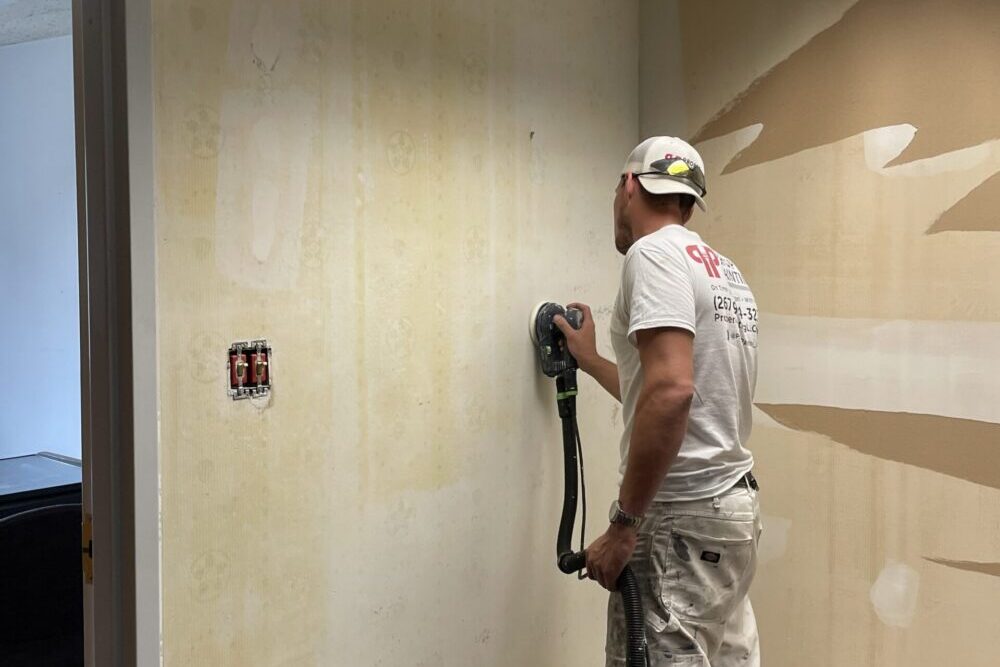
While DIY painting is a common weekend project, achieving a flawless, durable finish requires immense preparation. Professional painters don’t just open a can and start rolling; they spend hours meticulously washing walls, filling hairline cracks, sanding surfaces smooth, and applying specialized primers that guarantee ultimate topcoat adhesion.
Whether you need a dynamic update to match changing design trends or a heavy-duty coating to protect your home’s highest-traffic spaces, working with an experienced team makes all the difference. From historic homes requiring delicate touch-ups to modern properties looking for crisp, sharp lines, a professional painter in Quakertown delivers premium interior transformations that enhance the long-term beauty and market value of your property.
Ready to elevate your home’s interior with a fresh, durable coat of paint? Contact Proper Painting LLC today to schedule your personalized consultation!